

Kharkiv,
Gromadyanska St., 11/13
August 21, 2026
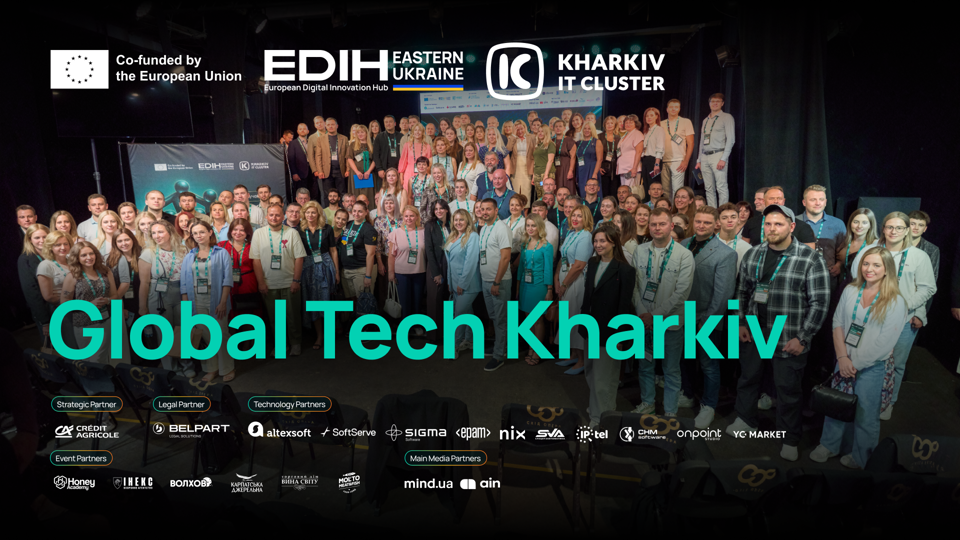
Why invest in frontline regions during wartime, why technology is becoming the foundation of resilience, and how human capital will shape Ukraine’s post-war economy — we are sharing the key takeaways from Global Tech Kharkiv: Invest Forum 2026.
_2.jpg)
This was one of the largest business forums in frontline Ukraine, bringing together more than 800 representatives of technology companies, manufacturing businesses, government, communities, education, international partners, and investors. The forum covered six key areas, with each focusing on investment in its different dimensions: communities, security, human capital, business resilience, new opportunities, and creative industries.
The event was organized by Kharkiv IT Cluster and Eastern Ukraine EDIH with the support of the Association of Frontline Cities and Communities of Ukraine.
Takeaway 1. Kharkiv — a frontier with development advantages
Frontline status is traditionally seen as a disadvantage. The forum showed the opposite: in Kharkiv, technologies are tested in real-world scenarios and immediately transformed into working solutions.
This works where business and government genuinely listen to each other. This horizontal trust has become one of Ukraine’s advantages in times of crisis.
The question for investors is no longer “What are the risks here?” but rather “What are they missing out on by not entering this market now?”
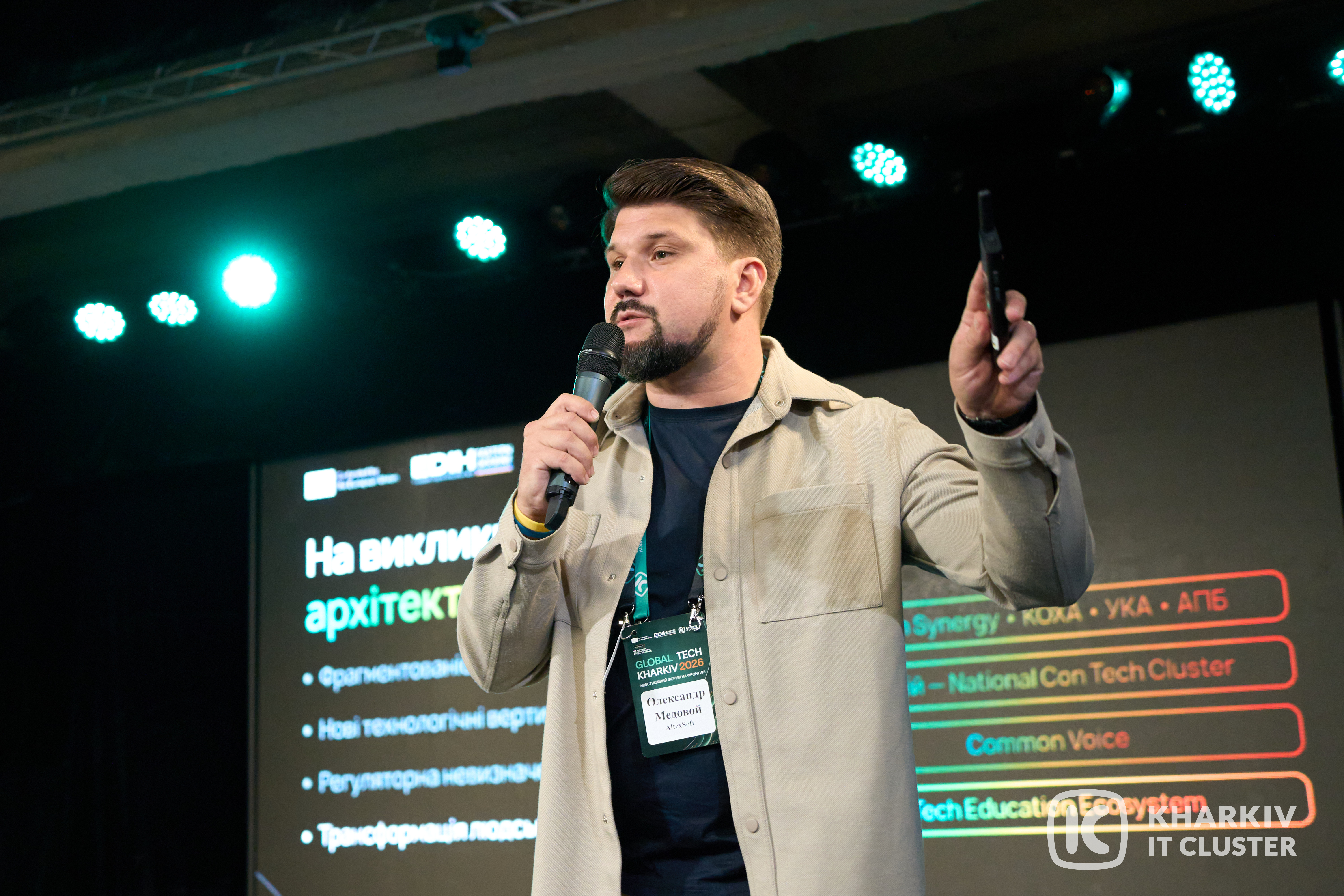
“Kharkiv needs to build its next economy not after the war, but already today. The city already has strong entrepreneurs, engineers, technology companies, universities, and a manufacturing base. Our task is to scale what is already working: connect these teams and businesses with partners, orders, international markets, and capital.” — Oleksandr Medovoi, Chairman of the Supervisory Board of Kharkiv IT Cluster, Founder and CEO of AltexSoft.
Takeaway 2. Ukraine needs a regulated technology ecosystem
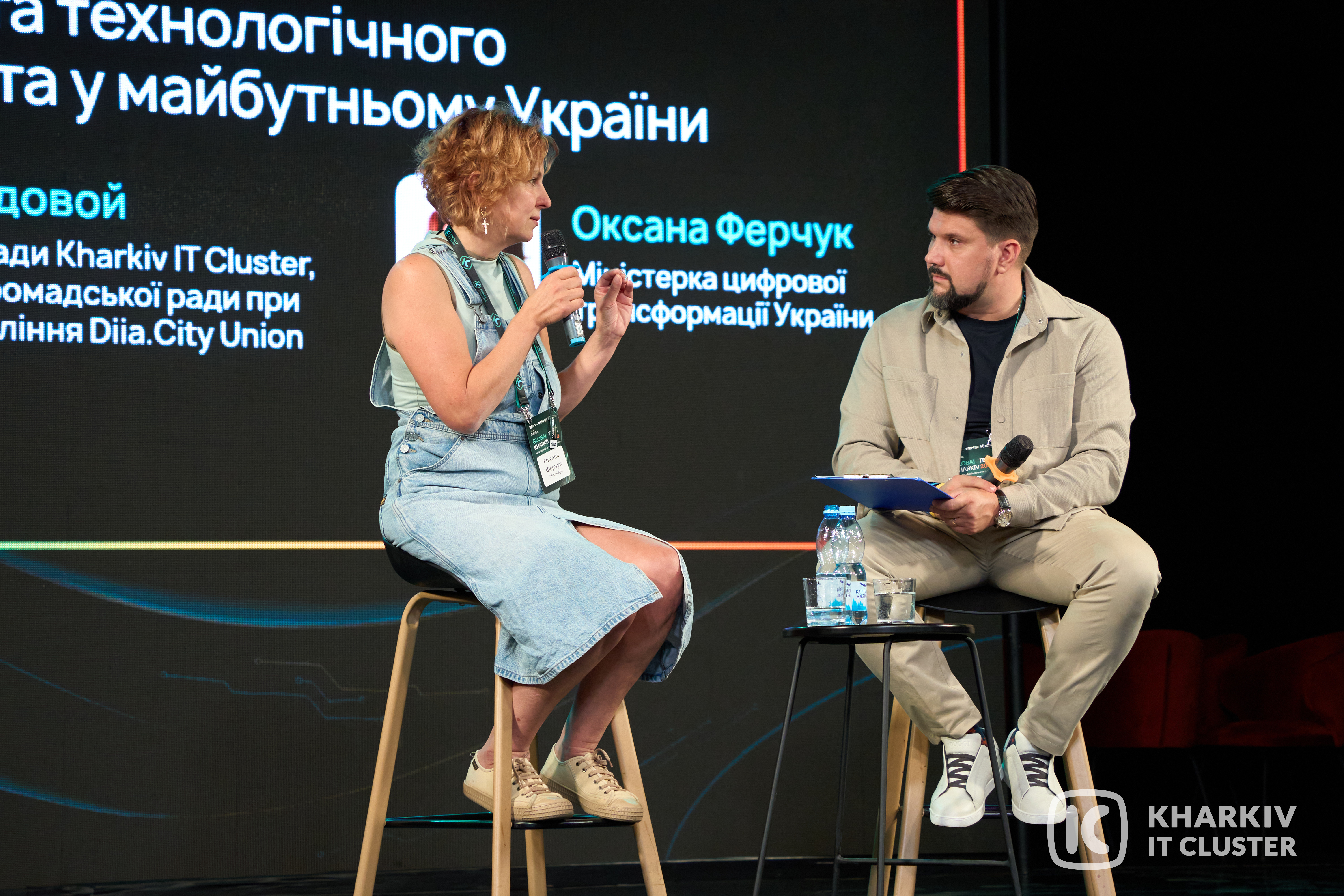
Diia.City is expanding to manufacturers of unmanned systems, followed by biotech and medtech. The Ministry of Digital Transformation is working on the creation of Diia.City Invest to simplify investment in residents.
The list of qualified business activities is approved by the Cabinet of Ministers, allowing new industries to be added quickly in response to the needs of the economy. For example, the initiative to add 3D modeling came from Kharkiv companies, and a separate cluster is already emerging around it.
The government recognizes the limitations: even after hostilities end, Ukraine will remain a high-risk jurisdiction. Such a jurisdiction needs deregulation, access to capital, risk insurance, and clear rules of the game all at once.
“Ukraine’s technology sector has already proven that it can be one of the drivers of the economy even during wartime. The next step is to open new markets, attract investment, and strengthen cooperation with the real economy.” — Oksana Ferchuk, Minister of Digital Transformation of Ukraine.
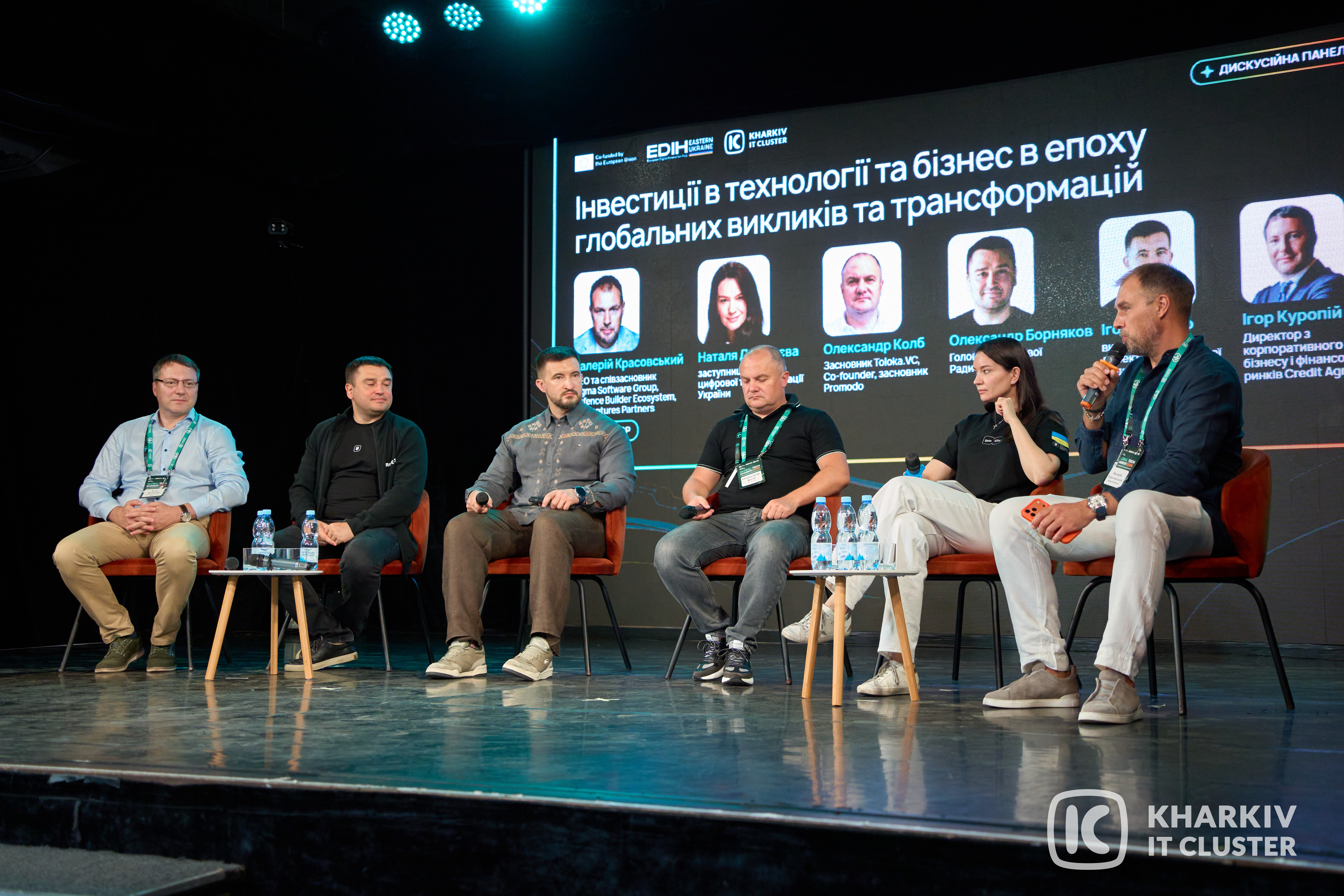
Takeaway 3. A resilient business is a system with no single point of failure
The war has changed the logic of business continuity: a resilient company duplicates everything — energy supply, production, team locations, and logistics — so that the failure of one element does not bring the entire system to a halt.
Companies that would normally compete with each other during peacetime are agreeing to take over each other’s orders in the event of a force majeure. The IT sector is following the same path by decentralizing teams across different geographies — deliberately accepting higher costs in exchange for resilience.
Takeaway 4. Energy resilience is a competitive advantage
Preparing for winter is part of a long-term strategy. We cannot influence shelling or the weather, but we can reduce dependence on centralized infrastructure.
Kharkiv is dividing the city into heating zones and developing a network of local boiler houses that can operate even with limited electricity supply. The priority is rapid solutions: emergency power and heating sources, as well as mobile boiler houses.
The problem is often not a lack of funding, but a lack of investment-ready projects: only 12.4% of the funds from one international technical assistance program were used last year, while 82 MW of equipment remains in storage without being connected.
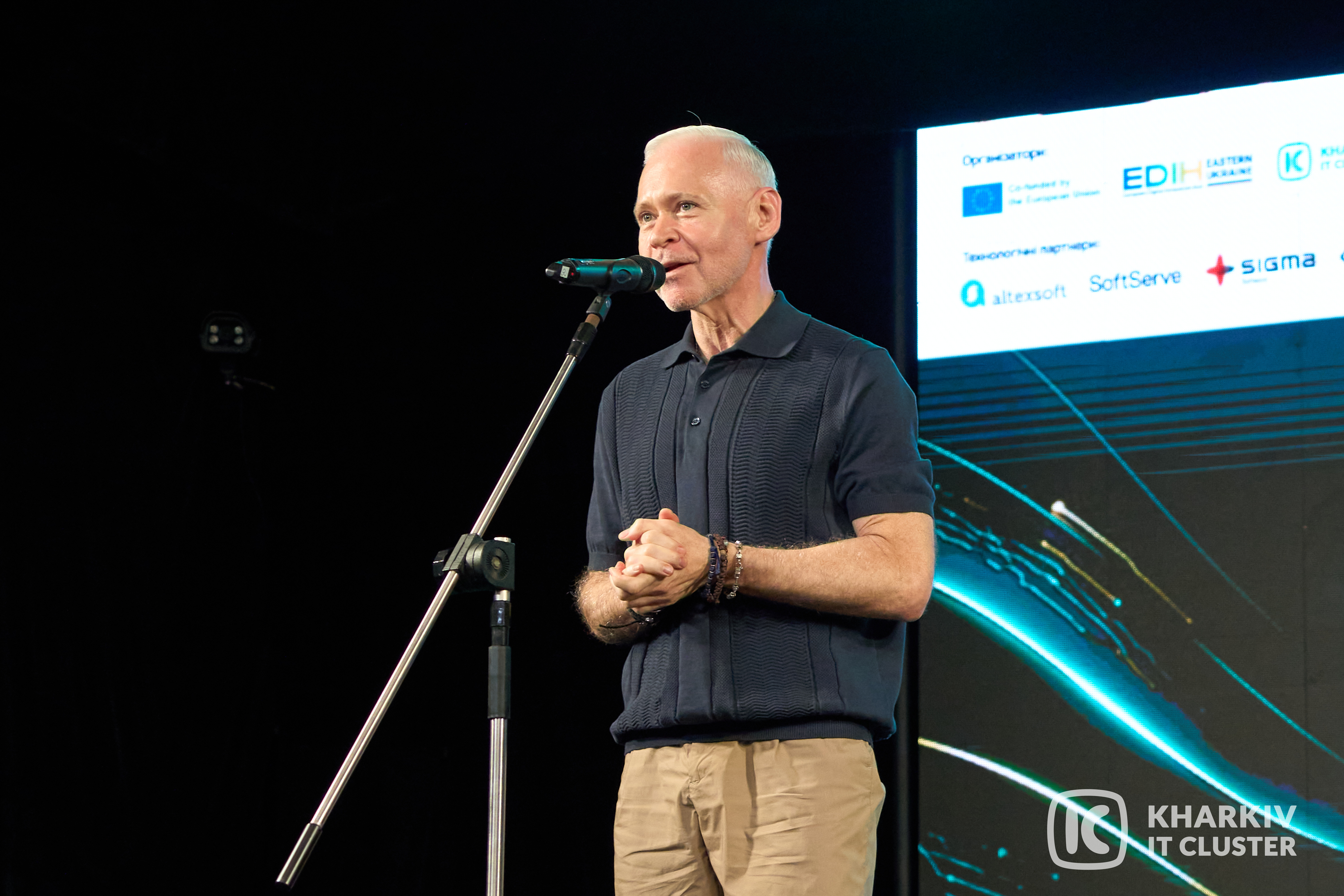
“No city or community can independently respond to all the challenges created by the war. We need joint efforts from government, business, the technology sector, and international partners — from security and energy to preserving people and developing the economy.” — Ihor Terekhov, Mayor of Kharkiv and Chairman of the Association of Frontline Cities and Communities.
Takeaway 5. The best investment is in human capital
The number of available workers will decline — this is a long-term demographic trend rather than a temporary labor shortage.
Education is already changing in response to this challenge: grant-based higher education funding is becoming permanent; starting in September, career counseling will be introduced in grades 8–9; and from 2027, specialized upper secondary education with a STEM track will be introduced.
The popularity of IT specialties has displaced interest in engineering — mechanical engineering and the aerospace sector — even though these fields are critical for reconstruction.
Competitiveness will be determined by productivity per employee. Therefore, alongside education, automation will become inevitable.
“We need to invest not only in individual companies or technologies. We need to invest in the environment in which these companies can grow: people, education, professional communities, partnerships, and access to international markets.” — Olha Shapoval, Executive Director of Kharkiv IT Cluster.
.jpg)
Takeaway 6. AI and digitalization are changing the business model
Digital tools provide data-driven solutions and preserve processes even when team members change. Small businesses do not need to build unique systems from scratch — popular CRM platforms already incorporate the best practices of thousands of companies.
But digitalization does not start with AI: first, processes need to be organized and data accumulated; then comes working with the data — and only after that AI becomes a tool for scaling. When a process is documented in a digital tool rather than “living” in the head of one employee, another person can take over the work much faster.
“The technology sector can no longer be viewed separately from the country’s economy. Therefore, it is important for technologies to become solutions for manufacturing, entrepreneurs, and the government. This interaction is what creates new growth opportunities for Ukraine.” — Natalia Denikeieva, Deputy Minister of Digital Transformation of Ukraine.

Global Tech Kharkiv 2026 is about moving from resilience to development: about what we need to invest in today to create the future of Kharkiv, frontline communities, and Ukraine.
Ultimately, it is these decisions — new tools, partnerships, and technologies — that turn investment from an idea into concrete opportunities for businesses, communities, and people.
Frontline regions do not have to wait until the war is over to start building their next economy. Investment in technology, people, businesses, communities, and partnerships is what is creating it today.
Want to help create the future of Kharkiv and Ukraine as a whole?
Thank you to all the partners and guests who joined the event! Thanks to our partners, this event was made possible.
We thank the partners who supported Global Tech Kharkiv with resources, expertise, and trust. We thank our media partners for helping us tell the story of the forum. We thank the speakers and moderators for honest conversations about investment, resilience, security, business, and human capital. And a special thank you to the guests who took the time to attend the forum.
This event was made possible thanks to you.
Thank you for being with us 💙
Strategic Partner
Credit Agricole — a reliable international bank in Ukraine and part of the Credit Agricole Group (France), which ranks among the world’s TOP 10 largest banks. In Ukraine, the bank serves 380,000 customers, is one of the leaders in auto lending and a strategic partner for agribusiness, and also focuses on technology companies. For IT clients, Credit Agricole offers the comprehensive Code of Trust solution — Code of Trust - Comprehensive Banking Solutions for IT Clients | Credit Agricole Bank | Credit Agricole Bank.
Technology Partners
AltexSoft — a technology consulting company trusted in more than 20 countries. AltexSoft supports clients at every stage — from business idea analysis, MVP creation, and product development to market launch and scaling. The company’s key area of expertise is the travel domain. Its capabilities include AI-powered solutions and digital business transformation.
SoftServe — a global digital engineering and technology consulting company specializing in AI, data, and cloud solutions. Around 10,000 employees work across 49 offices, from Latin America to the Middle East. The company’s portfolio includes more than 20,000 completed projects. SoftServe also invests in developing technological expertise through strategic partnerships with Google Cloud, Amazon Web Services, and Microsoft Azure. For four consecutive years, SoftServe has been recognized as a top NVIDIA partner, confirming its deep expertise in implementing advanced AI technologies.
Sigma Software Group — an international IT company founded in Kharkiv in 2002. The company is part of Sweden’s Sigma Group and brings together more than 2,000 professionals across 20+ countries. It ranks among the TOP 100 global outsourcing service providers according to IAOP. Its portfolio includes more than 40 services: software development, AI and data solutions, cloud technologies, cybersecurity, embedded and IoT, design, and consulting. The company develops its own ecosystem, including Sigma Software University, the Sigma Software Labs venture fund supporting early-stage startups, and the charitable Sigma Software Unity Fund.
EPAM — the largest community of professionals in Ukraine providing business digitalization services using cloud technologies and AI. More than 9,000 experts create innovative solutions for international clients and contribute to the digitalization of the public sector. The company consistently ranks among Ukraine’s largest exporters and taxpayers, as well as among the most desirable employers in various Ukrainian rankings. Globally, EPAM is included among the TOP 15 technology businesses according to the Fortune 1000 and the list of “100 Fastest-Growing Companies.”
NIX — a technology company founded in 1994 that has grown into one of the largest IT outsourcing leaders in Ukraine, with an extensive portfolio of completed projects. Its long history, strong traditions, comprehensive innovative approach to solving client challenges, and genuine commitment to clients’ businesses form the foundation of NIX’s success, enabling the company to develop dynamically, continuously expand its range of services, and improve their quality.
National ConTech Cluster — an institutional platform for coordinating the technological transformation of the construction industry in Ukraine, which sets industry standards and ensures coordinated cooperation among businesses, the government, and international partners.
YC.Market — an analytical platform by YouControl for searching, segmenting, and analyzing companies and sole proprietors in Ukraine, designed for market research and B2B sales.
SPEZVUZAVTOMATIKA — a company that helps commercial and government organizations build modern and efficient IT infrastructure.
IPtel — a Ukrainian AI platform for communications automation: telephony, CRM, contact centers, voice bots, and analytics.
CHM — a company that creates digital solutions for retail and HoReCa, automates day-to-day processes, and helps businesses grow efficiently.
onPoint Studio — a company that creates high-risk e-commerce solutions for online clinics, telehealth brands, and licensed RUO laboratories, with built-in compliance designed to convert.
Legal Partner
Attorneys’ Association Belpart — a law firm that builds partnerships with entrepreneurs in Ukraine to provide legal protection, establish a legal framework for business solutions, and help implement business ideas within the economic environment.
Event Partners
Honey Academy — an educational and creative ecosystem bringing together preschool education, a lyceum, music school, camps, an educational hub for adults, catering, and a network of coffee shops.
Safari | INEX | Latek — a group of companies combining security services, modern technologies, and domestic manufacturing.
Volkhov — a Kharkiv-based manufacturer of cookies and gingerbread that has been making sweets for people and about people for more than 30 years. Its mission is to share joy, preserve memories of warm childhood moments, and create new ones together!
Karpatska Dzherelna Natural Mineral Water — a combination of purity and benefits for everyday hydration. The water is extracted from an artesian well and bottled using modern equipment that preserves its natural mineral composition.
Vyna Svitu — a nationwide network of branded stores belonging to the “VYNY SVITU” Trading House, a direct importer of alcoholic beverages from around the world. The company has more than 500 exclusive contracts, while its stores offer more than 5,000 product items.
Main Media Partners
About the organizers
Kharkiv IT Cluster — a non-profit public organization that brings together leading Ukrainian IT companies, universities, and government authorities to develop the IT ecosystem and technology businesses.
Founded in 2015, the community brings together 1,035+ businesses and partners and more than 234 educational institutions.
Its key areas of activity include advocacy and legal support for businesses, IT education development, international projects, digital transformation services for businesses and communities, networking events, and social and charitable initiatives through IT4Life.
Eastern Ukraine EDIH — part of the European Digital Innovation Hubs (EDIH) network. This international project, coordinated by Kharkiv IT Cluster, aims to help businesses, communities, and public-sector organizations find and implement digital solutions to improve their efficiency.
The “Eastern Ukraine EDIH” project is co-funded by the European Union under the Digital Europe Programme pursuant to grant agreement No. 101191656. The views and opinions expressed in this material belong solely to the author(s) and do not necessarily reflect those of the European Union or the European Commission. Neither the European Union nor the granting authority can be held responsible for them.
Association of Frontline Cities and Communities — an association established in 2025 to jointly represent the interests of territories operating under wartime conditions. In a short period, the Association has grown to include 360+ communities from 12 regions of Ukraine.
The Association works to consolidate the position of frontline communities and represent it at the national and international levels.
Its key areas of focus include security, economic resilience, education, housing, healthcare, social protection, recovery, and attracting resources for the development of communities.
Read also
All news
Kharkiv IT Cluster is launching a new era of cooperation by signing a memorandum with the American non-profit organization TechHope Transitions Inc.The new international partner...
Читати повністю
Diia.Business is a support hub for the local business community, focused on entrepreneurship development and the digital transformation of small and medium-sized enterprises.Kha...
Читати повністю
Many entrepreneurs start their digitalization journey by searching for CRM, ERP, or other digital services. However, experts advise against rushing to choose software. The first...
Читати повністюSubscription to the email newsletter
Want to stay updated on the latest IT events in the region?
Subscribe to our newsletter!